
A Resilient Market…But Not a Simple One
Markets have a way of reminding you how quickly sentiment can shift.
What we just saw was almost textbook: a geopolitical shock, a sharp selloff, and then a rapid recovery. The kind of V-shaped move that tends to follow these events. What stood out, though, wasn’t just the pattern…it was the speed. The S&P 500 was back near highs in roughly a couple of weeks, despite war headlines and a spike in oil. For the month of April (as of April 17) we saw the S&P 500 +8.05%, DJIA +6.03% and the Nasdaq Composite +11.61%.
That kind of response tells you something important: the underlying trend is still strong. A lot of the macro risk that spooked investors may have already been priced in. But - under the surface, the rally isn’t as broad as it might appear.
A significant portion of the move off the lows has been driven by a handful of mega-cap names: Nvidia, Microsoft, Apple, Amazon, and Alphabet. When a small group is doing most of the heavy lifting, it raises questions about how durable the move really is. We’ve seen this dynamic before. Large-cap tech can carry the index for a while, but it’s not the healthiest foundation for a sustained rally. For this market to continue higher in a meaningful way, participation needs to expand.
Interestingly, earlier this year gave us a glimpse of what a healthier setup looks like. Stock return leadership broadened out. Industrials and materials started to step up. Meanwhile, the sectors that had dominated for years - tech, communication services, lagged for a stretch. That kind of rotation is typically healthy. It shows that more parts of the market are contributing, which tends to create a stronger base. More recently, tech has taken the lead again coming out of volatility. That’s fine in the short term, but longer-term sustainability still depends on broader participation.
A Market with Two Clear Narratives
Right now, you can make a credible bull case and a credible bear case.
On the cautious side: oil remains elevated, inflation is still lingering around 3%, and the Fed isn’t in a hurry to cut rates. Add in geopolitical uncertainty and upcoming election dynamics, and there are plenty of variables that could disrupt things.
On the other hand, company fundamentals have held up better than many expected. Earnings remain solid, and the consumer, still the backbone of the economy, continues to show resilience.
If you’re looking for reassurance, bank earnings have been one of the clearest signals so far. Across the 6 major banks, the message has been consistent: consumer spending is steady, credit quality remains solid, and delinquency trends are still relatively low. Financials aren’t getting a lot of attention, but they’re quietly confirming that the underlying economy is in decent shape. And as long as the consumer remains stable, that provides an important foundation for the broader market.
What Could Actually Disrupt This?
The biggest risk isn’t what we already know…it’s something new. What hasn’t been fully priced in is a re-acceleration, particularly in energy. Oil remains the key swing factor. We’ve seen the initial impact at the gas pump, but the bigger concern is what comes next: higher transportation costs, pressure on supply chains, and broader inflation effects that tend to show up with a lag. If oil were to move meaningfully higher, that’s when it becomes a larger economic issue and potentially forces a more complicated response from the Fed.
What to do Next
Importantly, investor behavior remains steady.
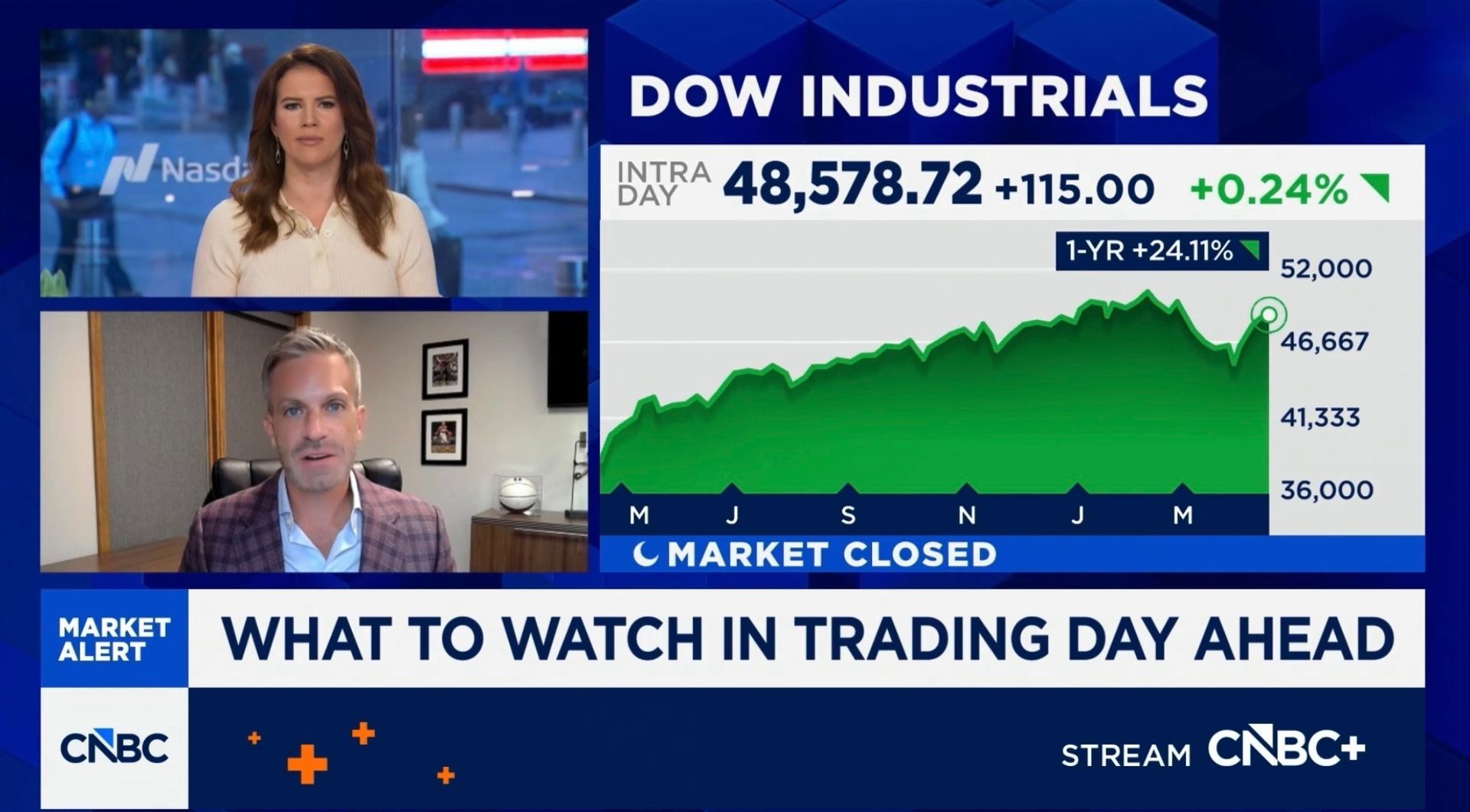
Right now, there’s no widespread panic. Investors aren’t rushing to cash, they’re staying invested. Historically, that’s critical, especially during periods driven by geopolitical events. Some of the market’s strongest days tend to come right after its weakest ones. Matt mentioned this on CNBC's "Squawk Box" last Friday morning (link to the clip here). Missing even a few of those can have a meaningful impact on long-term returns. We’ve just seen another example of that dynamic play out.
We simply wanted to provide our thoughts on what is happening with the markets in general. As always, if you have any questions, we’re here. Thanks for your continued support.
The PAG Team